
Gonstead care
The Gonstead method
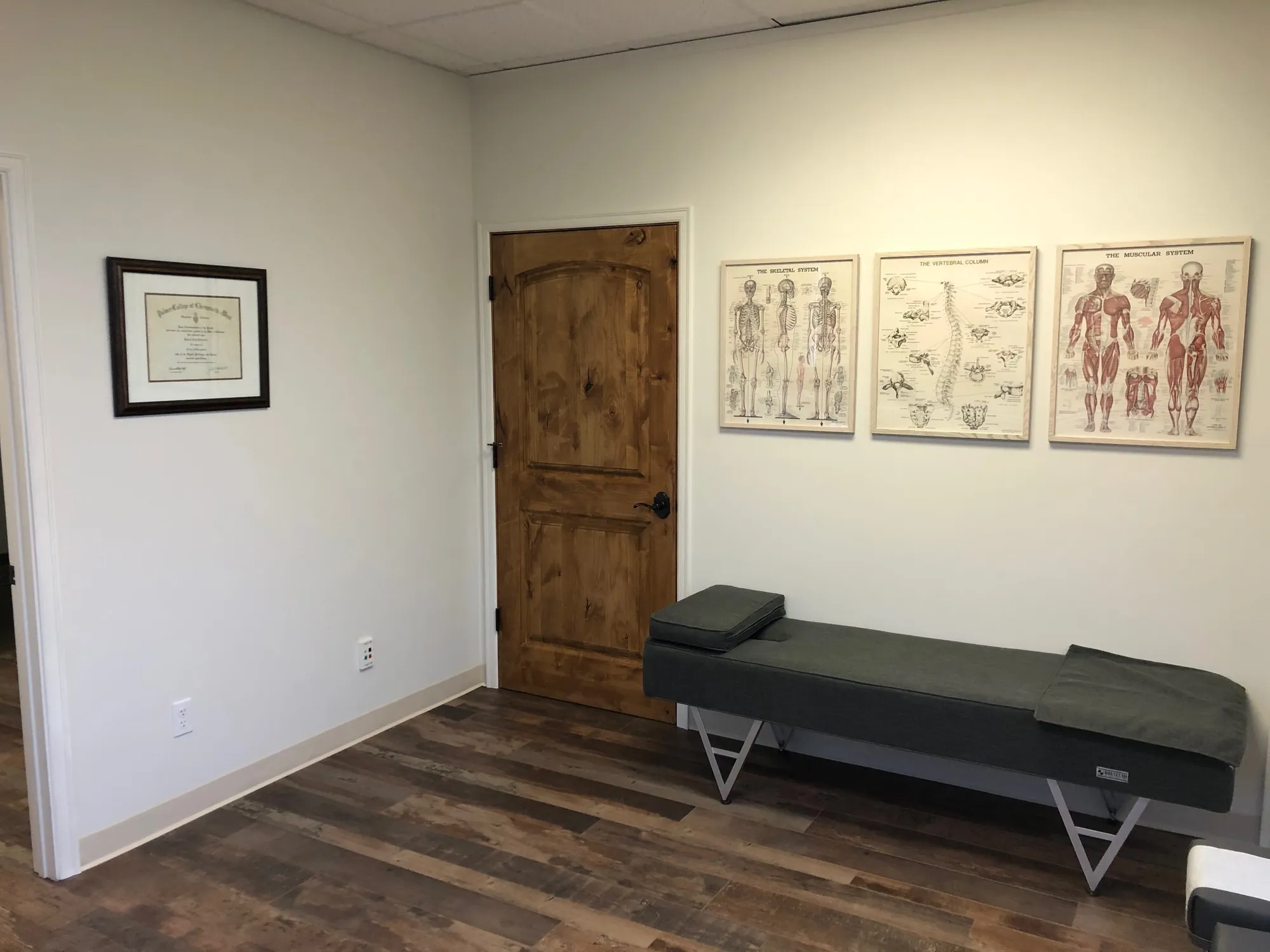
The Gonstead system is one of the most detailed approaches in chiropractic. Before any adjustment, Dr. Huddleston finds exactly where the problem is, with five steps that check one another.
Find the problem first
The Gonstead system includes full-spine X-rays, precise palpation and targeted adjustments that never involve twisting or excessive force. This level of care supports long-term relief from pain, better mobility and better overall function.
Dr. Huddleston chose to specialize in the Gonstead method after earning his Doctor of Chiropractic degree in 1986, and has studied it ever since as a member of the Gonstead Clinical Studies Society for more than 30 years.
Step by step
The five parts of the Gonstead analysis
01
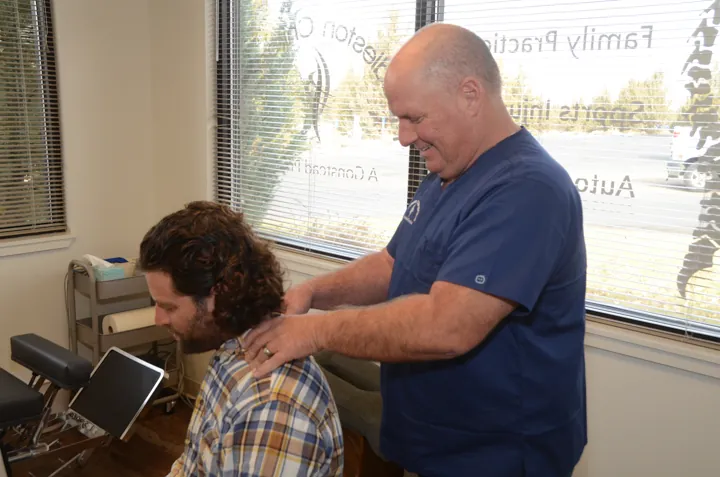
Visualization
Dr. Huddleston watches how you stand, sit and move for small changes in posture that point to a problem. It is how every other finding is cross-checked.
02
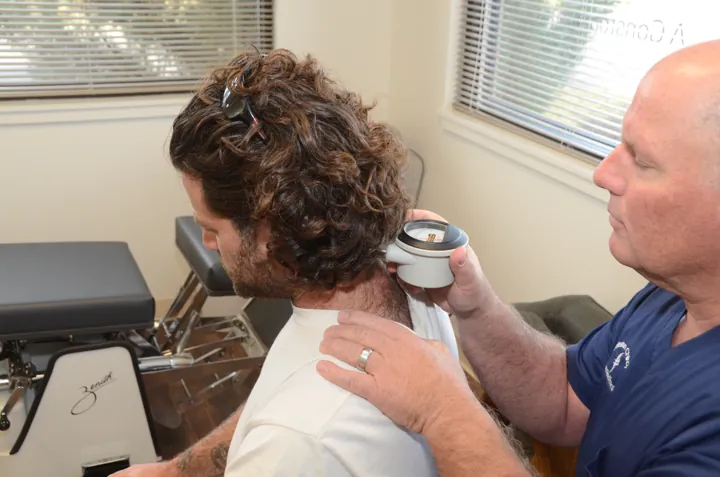
Instrumentation
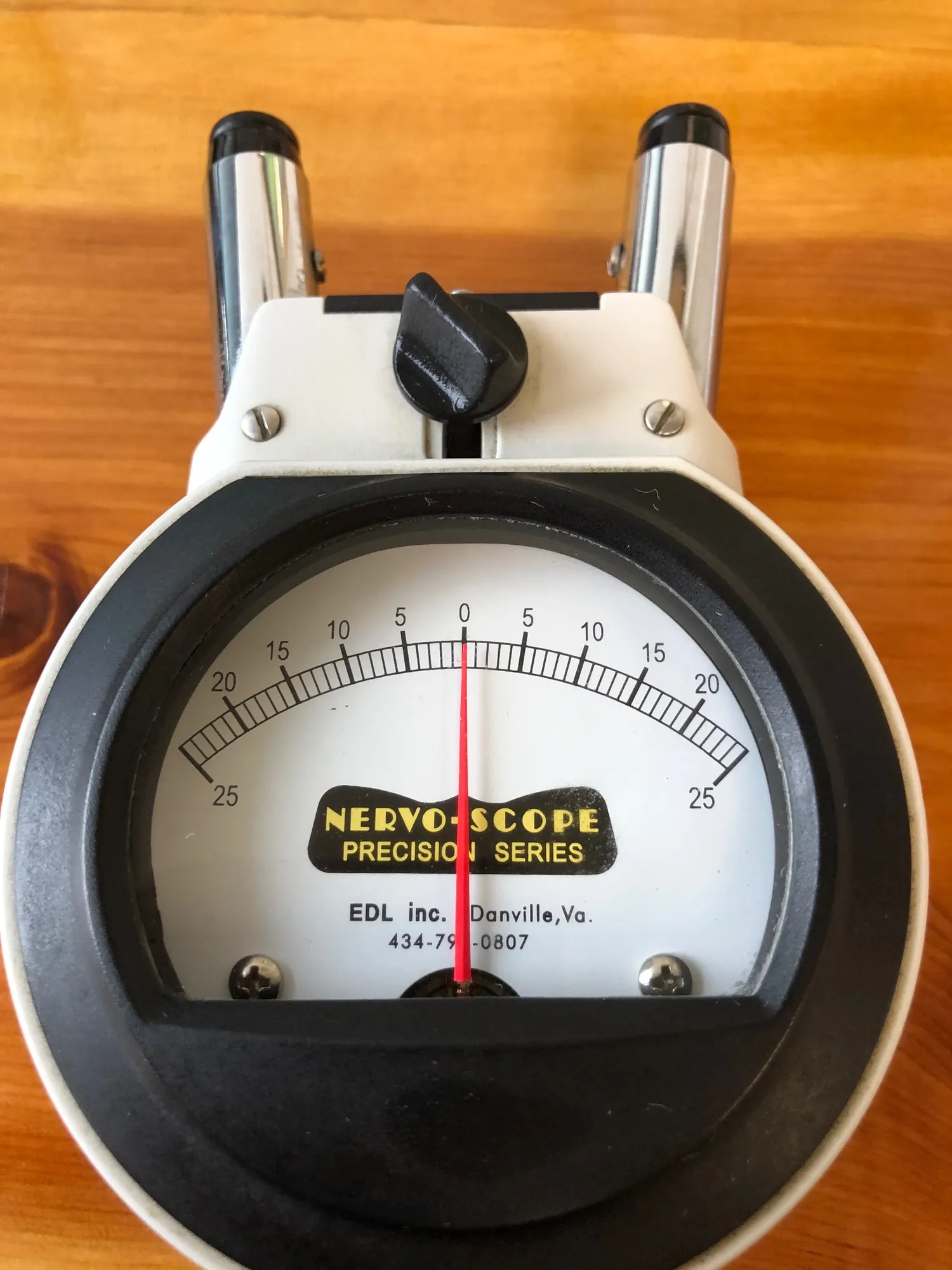
The Nervo-Scope is guided down the length of your back. It picks up uneven heat on either side of the spine, which can mean inflammation and pressure on a nerve. It feels like two fingers gliding down your back.
03
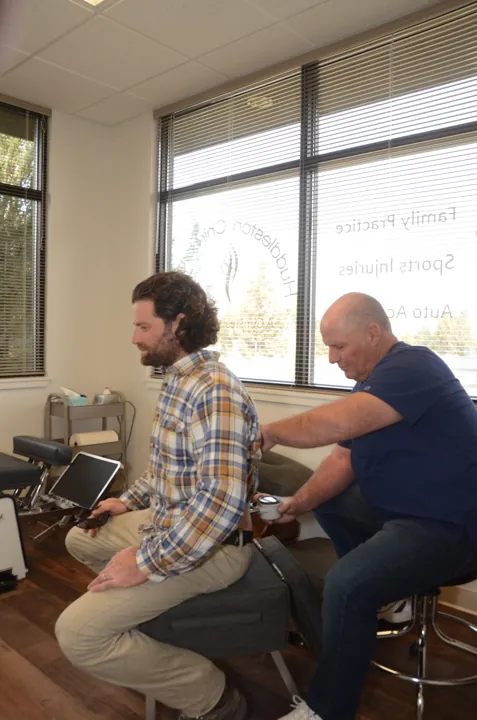
Static palpation
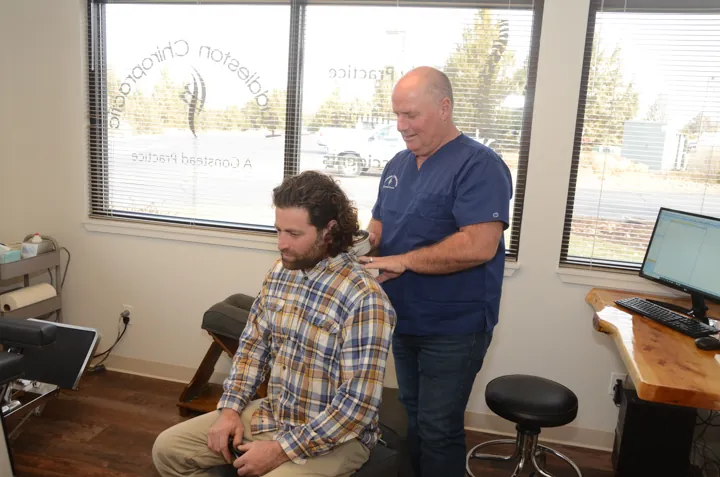
Feeling the spine while you are still, for swelling, tenderness and tight or unusual texture in the muscles and tissues of the back.
04
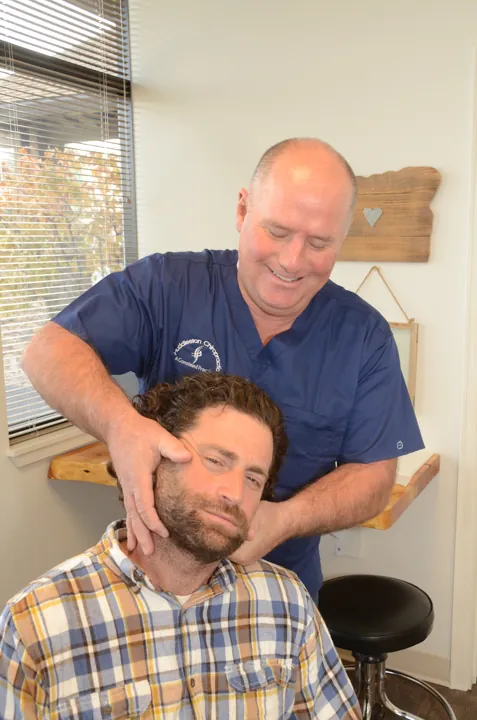
Motion palpation
Feeling the spine while it moves and bends, to find which segments move too little, or too much, in each direction.
05
X-ray analysis
X-rays show the whole structure of the spine: posture, joints and discs, and the alignment of each vertebra. They also rule out fractures and other conditions before any adjustment.
Then the adjustment
“Find the subluxation, accept it where you find it, correct it and leave it alone.”
Dr. Clarence S. Gonstead, who developed the method
After a complete analysis, the adjustment addresses only the problem areas (the areas of subluxation), as specifically and precisely as possible.
Book an appointment
Call the office or send a request and we will call you back to find a time.